Strategy is the bridge between a great idea and a brand people remember.
If there’s one thing I’ve learned about myself over the years, it’s that I can’t help but look beyond what’s right in front of me. Looking back, I don’t think I chose this career as much as it chose me. I’ve always been curious about why people connect with certain ideas, trust certain organizations, or remember certain experiences. Marketing and communications simply gave me a place to explore those questions every day.
I don’t just notice the website; I wonder if it’s creating the right first impression. I don’t just see a marketing campaign; I think about whether it’s actually moving the business forward. I don’t just read a press release; I ask myself if it’s telling a story anyone outside the organization would care about.
That’s simply how my mind works. I don’t think I realized it early in my career, but looking back, every opportunity I’ve had has strengthened the way I think.
I intentionally exposed myself to every area of communications and marketing because I wanted to understand how it all fit together. I learned how to build websites, create visual assets, write executive communications, develop marketing campaigns, manage social media, produce newsletters, coordinate events, pitch media, create communication plans, and support organizations from both a communications and brand perspective.
At the time, I thought I was just building a broad skill set. What I was really building was perspective. When you’ve worked across so many areas, you stop looking at projects individually and start seeing how every decision influences the next. You realize a website isn’t just a website. A social media campaign isn’t just content. A press release isn’t just an announcement. Every touchpoint either strengthens the brand or weakens it. That shift in perspective changed the way I approach my work.
One experience that stands out is my time as the Communications and Marketing Manager for Howard University College of Pharmacy. It was one of those positions where no two days looked alike, and honestly, that’s what I loved about it. Some days, I was focused on recruitment marketing or updating the website. On other days, I was developing executive communications, producing the Annual Report, supporting fundraising initiatives, planning events, or creating campaigns that featured the incredible work happening throughout the college.
But if you asked me what I enjoyed most about the role, I’d probably say public relations.
I love the challenge of finding stories that deserve to be told. To me, PR was never about writing a press release and hoping someone picked it up. It started much earlier than that. I spent time paying attention to what conversations were already happening in healthcare, education, and our local community; then I looked for opportunities where the work happening at Howard naturally fit into those conversations.
That meant looking beyond what we wanted to say and thinking about what reporters and their audiences would genuinely find valuable.
That approach led to earned media placements with NBC4 Washington, WTOP, and Black Enterprise, helping shine a light on the faculty, students, and research that were making an impact far beyond the university.
That experience taught me something I still carry with me today. People don’t connect with organizations because we tell them we’re doing great work. They connect because we show them why that work matters.
Later in my career, my work took me into government, where communication looked very different. The audience wasn’t looking to be inspired; they were looking for answers. That experience challenged me to simplify complex information, communicate with empathy, and recognize that the words we choose can directly influence someone’s ability to make well-informed decisions. It reinforced the importance of clarity, trust, and consistency; qualities that are just as essential to strong brands as they are to public service.
Looking back at why I created The Lux Logic in 2020, my work looked very different from what it does today. I spent a lot of my time helping entrepreneurs take an idea that only existed in their heads and turn it into something people could actually experience. Some clients needed a website. Others needed a logo, brand identity, marketing materials, or help figuring out where to begin. Every project looked a little different, and I genuinely loved being part of that process.
At the same time, my career was growing in communications and marketing; I found myself working across higher education, healthcare, nonprofit, government, and private industry. That balance gave me something I don’t think I would’ve gained had I stayed on only one path. On one side, I was helping businesses build from the ground up. On the other hand, I was seeing how established organizations communicated, solved problems, and began noticing the pattern.
The businesses struggling the most rarely had a design problem. More often than not, they had a direction problem. A beautiful website couldn’t fix unclear messaging. A new logo couldn’t solve inconsistent customer experiences. Posting every day on social media wasn’t going to grow a business if there wasn’t a strategy behind it. That realization changed the way I approached my work. That shift didn’t happen overnight. It happened because every role I stepped into showed me something different.
I still enjoy creating, and I always will. But what excites me now isn’t being the person who builds the website or designs the graphics. It’s being the person who helps decide why we’re building it in the first place. I’ve found that the most meaningful conversations happen before the work begins. They’re the conversations about positioning, business goals, audience perception, customer experience, and long-term growth. They’re the conversations that influence every creative decision that follows.
Today, I value every skill I’ve developed throughout my career, but what motivates me most is helping organizations make better decisions before the work begins. I enjoy connecting strategy to execution, identifying growth opportunities, and building brands that don’t just look good, but make sense, build trust, and move businesses forward.
At the end of the day, that’s what I’ve been working toward all along. Not simply creating marketing, but helping organizations build something worth remembering.
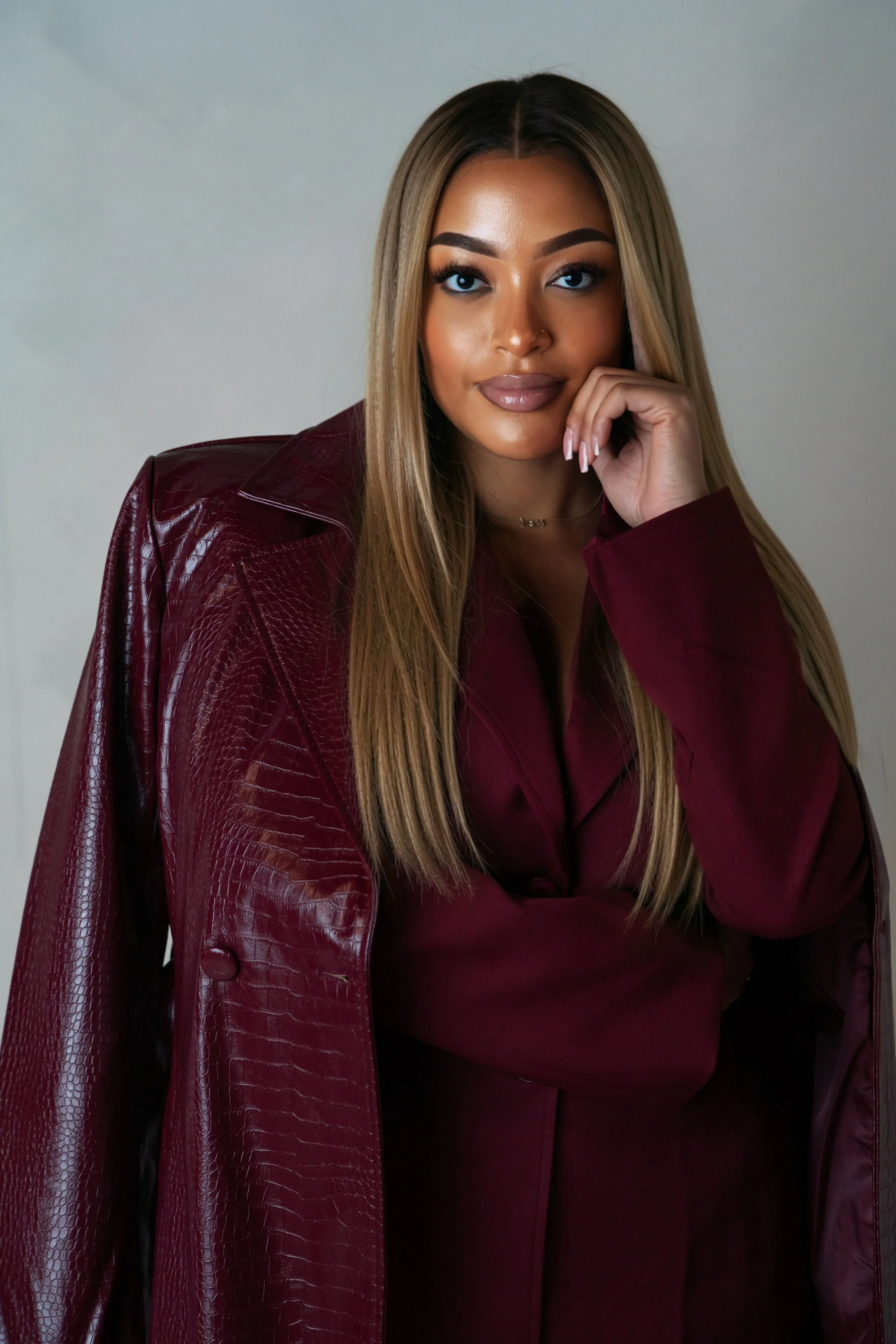
Let’s Build Something Intentional
Have a project, idea, or opportunity in mind? I’d love to hear about it.